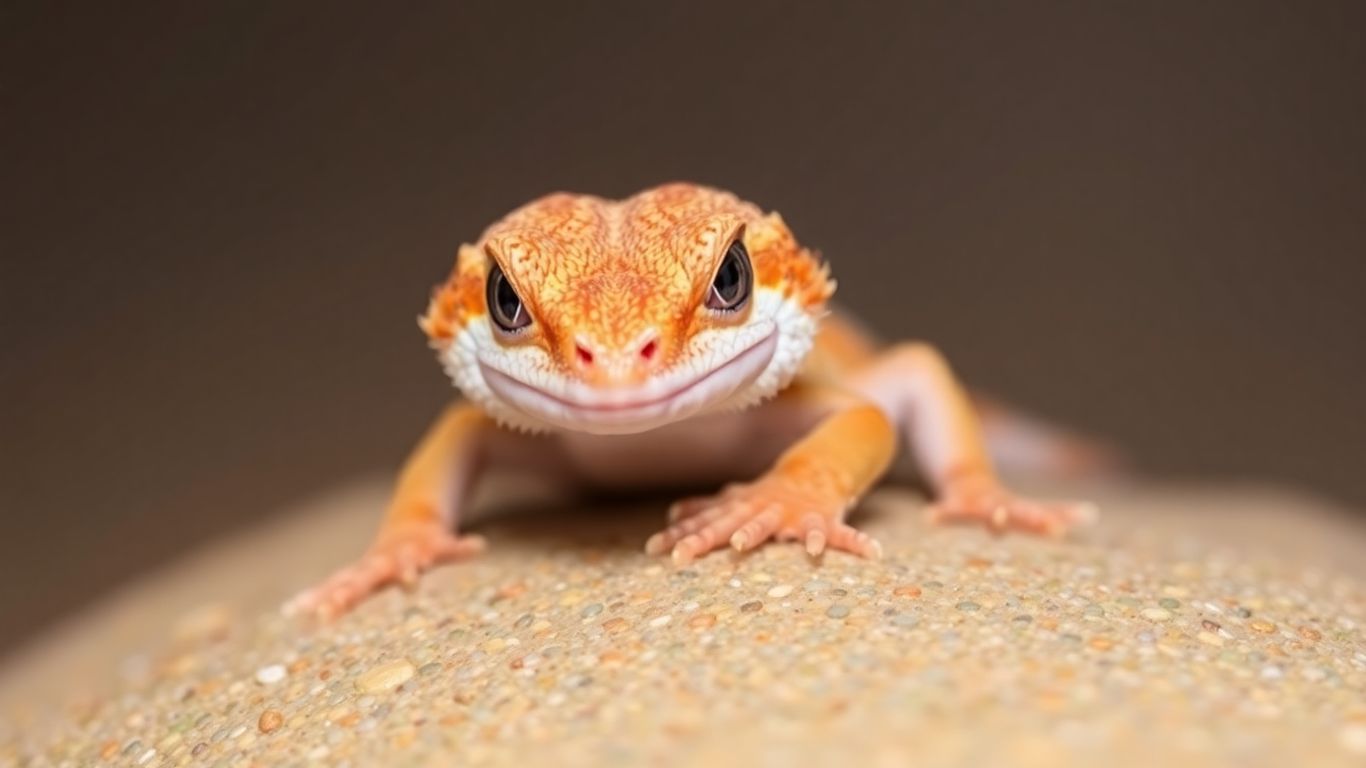
Thinking about getting a baby bearded dragon ? They’re pretty cool pets, and finding the right one is half the fun. Whether you’re into specific colors or unique patterns, there’s a little dragon out there for everyone. This guide will help you figure out what you need before you even bring one home, and what to expect as your new friend grows. Let’s get started on finding your perfect scaly companion!
Explore various color varieties and morph types when choosing a baby bearded dragon.
Gather all the necessary supplies and set up a proper habitat before bringing your new pet home.
Understand the feeding and hydration needs specific to baby bearded dragons.
Familiarize yourself with online purchasing options, including shipping and live arrival guarantees.
Be prepared for the growth and development stages of your baby bearded dragon as it matures.
Finding Your Baby Bearded Dragon
So, you’ve decided a bearded dragon is the reptile for you. Awesome choice! These guys are super interesting and can make really cool pets. But before you bring one home, there’s a bit to think about, especially when it comes to picking out the right baby. It’s not just about grabbing the first cute lizard you see; there are different looks and types to consider.
Exploring Different Color Varieties
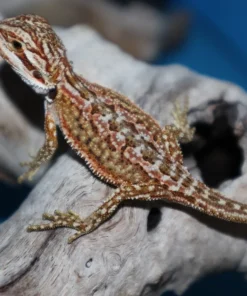
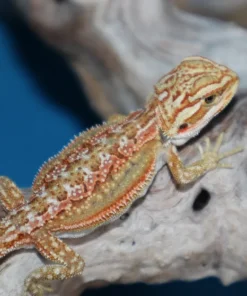
Bearded dragons aren’t just one shade of brown or beige anymore. Breeders have worked hard to bring out some really vibrant colors. You’ll see dragons in shades of red, orange, yellow, and even some with a more pastel look. Think about what kind of look you’re going for. Do you want something bright and fiery, or maybe something a bit more subtle?
Reds: These can range from deep crimson to bright scarlet.
Oranges: Often have a warm, sunset-like hue.
Yellows/Citrus: Bright and sunny, sometimes with a hint of lime.
Pastels: Softer, muted tones that are really unique.
Understanding Available Morph Types
Beyond just color, there are different genetic variations, called ‘morphs’. These can affect things like scale texture, eye color, and even how much pigment the dragon has. Some common ones you might hear about include:
Hypo (Hypomelanistic): These dragons have reduced dark pigment, often leading to brighter colors and fewer or no dark spots.
Translucent: These have a slightly see-through quality, especially around the belly, and can have darker eyes.
Leatherback: Instead of the usual spiky scales, leatherbacks have smoother, more uniform scales along their back.
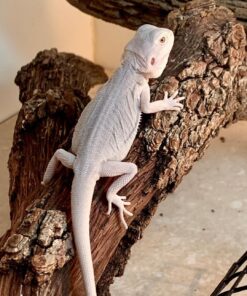
Witblits: Known for their very pale, almost white or light grey base color with minimal patterning.
It’s good to know that some morphs can be combined, leading to even more unique-looking dragons. For example, you might find a ‘Hypo Translucent Leatherback’. Choosing a specific morph often comes down to personal preference and what appeals to you visually.
Choosing the Right Baby Bearded Dragon
When you’re ready to pick your little one, keep a few things in mind. Look for a baby that is alert and active. Its eyes should be clear, and it should move around without seeming weak or wobbly. Check its body condition – it should look well-fed but not bloated. A healthy baby dragon is curious and will likely investigate its surroundings. If you’re buying online, reputable sellers will provide clear photos and descriptions of their available baby bearded dragons for sale. Don’t be afraid to ask questions about the dragon’s lineage or any specific care it has received so far. It’s also wise to have your setup ready before the dragon even arrives, so you can move it straight into a comfortable and safe environment.
Caring for Your New Baby Bearded Dragon
Bringing home a baby bearded dragon is super exciting, but it also means getting ready to provide them with a good life. It’s not just about having a cool pet; it’s about making sure they have everything they need to grow up healthy and happy. Think of it like setting up a nursery, but for a tiny, scaly friend.
Essential Supplies for New Owners
Before your little one even arrives, you’ll want to have the basics sorted. This makes the transition smoother for everyone involved. You don’t want to be scrambling for things when your new pet is already there, looking at you with those big eyes.
Enclosure: A 40-gallon breeder tank is a good starting point for a baby. Bigger is usually better, but make sure they can’t get lost in it.
Heating: You’ll need a basking bulb to create a warm spot. Aim for a temperature of around 95-100°F (35-38°C) in this area.
Lighting: Bearded dragons need UVB light to process calcium. A fluorescent tube or mercury vapor bulb works well. Make sure it covers about two-thirds of the tank.
Substrate: For babies, it’s best to avoid loose substrates like sand. Paper towels, newspaper, or reptile carpet are safer choices to prevent accidental ingestion.
Decor: Include a basking platform, a hide on the cool side of the tank, and maybe some sturdy branches for climbing.
Setting Up the Perfect Habitat
Creating the right environment is key. Bearded dragons come from arid regions, so their home needs to mimic that. This means getting the temperature and lighting just right.
Temperature Gradient: You need a hot side and a cool side. The basking spot should be warm, while the opposite end should be cooler, around 75-80°F (24-27°C). This allows your dragon to regulate its body temperature.
UVB Placement: Position the UVB light so it’s accessible but not too close. Follow the manufacturer’s recommendations to avoid burns.
Humidity: Keep humidity levels low, ideally between 30-40%. Too much moisture can lead to health problems.
A proper habitat setup is more than just putting things in a box; it’s about creating a balanced ecosystem that supports your dragon’s natural behaviors and physiological needs. Getting this right from the start prevents many common issues down the line.
Feeding and Hydration Needs
Baby bearded dragons are growing fast, and they need a good diet to support that growth. They eat a lot of insects when they’re young.
Insects: Offer gut-loaded insects like crickets, dubia roaches, and black soldier fly larvae a few times a day. Make sure the insects are no larger than the space between your dragon’s eyes.
Greens: While they eat more insects, young dragons will also nibble on greens. Offer finely chopped collard greens, mustard greens, or dandelion greens daily.
Supplements: Dust their food with a calcium supplement most days and a multivitamin a couple of times a week. This is super important for bone health.
Water: Provide a shallow dish of fresh water daily. Some dragons don’t drink much from a dish, so occasional baths can also help with hydration and shedding.
Purchasing a Baby Bearded Dragon Online
So, you’ve decided to get a baby bearded dragon and you’re thinking about buying one online. It’s pretty common these days, and honestly, it can be a great way to find exactly the little guy or gal you’re looking for. You’ll find a huge variety of dragons available from breeders all over the place. When buying online, it’s super important to know how the seller handles shipping and what their guarantee is if something goes wrong.
Shipping and Delivery Options
Most online sellers will ship your new pet right to your door, usually with overnight or next-day air services. This is pretty standard for live animals to minimize stress. You’ll likely need to provide your zip code so they can figure out the shipping cost. It’s a good idea to check if they ship to your specific location and what the typical delivery window is. Some places might have specific days they ship to avoid weekend delays.
Live Arrival Guarantees
This is a big one. A live arrival guarantee, or LAG, means that if your bearded dragon doesn’t make it through the shipping process alive, the seller will offer a refund or a replacement. It’s always good to read the fine print on what exactly this covers. Does it cover the cost of the animal, or just the shipping? What’s the timeframe for reporting an issue? Most reputable sellers will have clear policies on this, and it’s a sign they care about their animals’ well-being.
Payment Methods Accepted
When you’re ready to buy, you’ll want to know how you can pay. Common methods include credit cards like Visa and MasterCard, and sometimes services like PayPal. Some sellers might also accept checks or money orders, though these can take longer to process. Always make sure the payment process feels secure before you hand over your details. You can find a wide selection of bearded dragons for sale on sites like MorphMarket.
Buying a pet online requires a bit of trust, but by doing your homework on the seller and understanding their policies, you can make the process smooth and bring home a healthy new friend.
Here’s a quick rundown of what to expect:
Shipping Costs: These vary based on your location and the speed of delivery. Always ask for a quote.
Packaging: Reputable sellers use insulated boxes with heat or cool packs as needed to keep your dragon safe during transit.
Communication: Good sellers will keep you updated on shipping status and provide tracking information.
Payment Security: Look for secure checkout processes and clear invoicing.
Meet Our Baby Bearded Dragons
Red and Orange Varieties
Looking for a splash of color? Our red and orange bearded dragons are always a hit. These vibrant little guys are bred for their intense hues, ranging from deep crimson to bright, sunny orange. They’re sure to bring a lively presence to your home. These are some of our most popular choices for a reason!
Hypo and Citrus Morphs
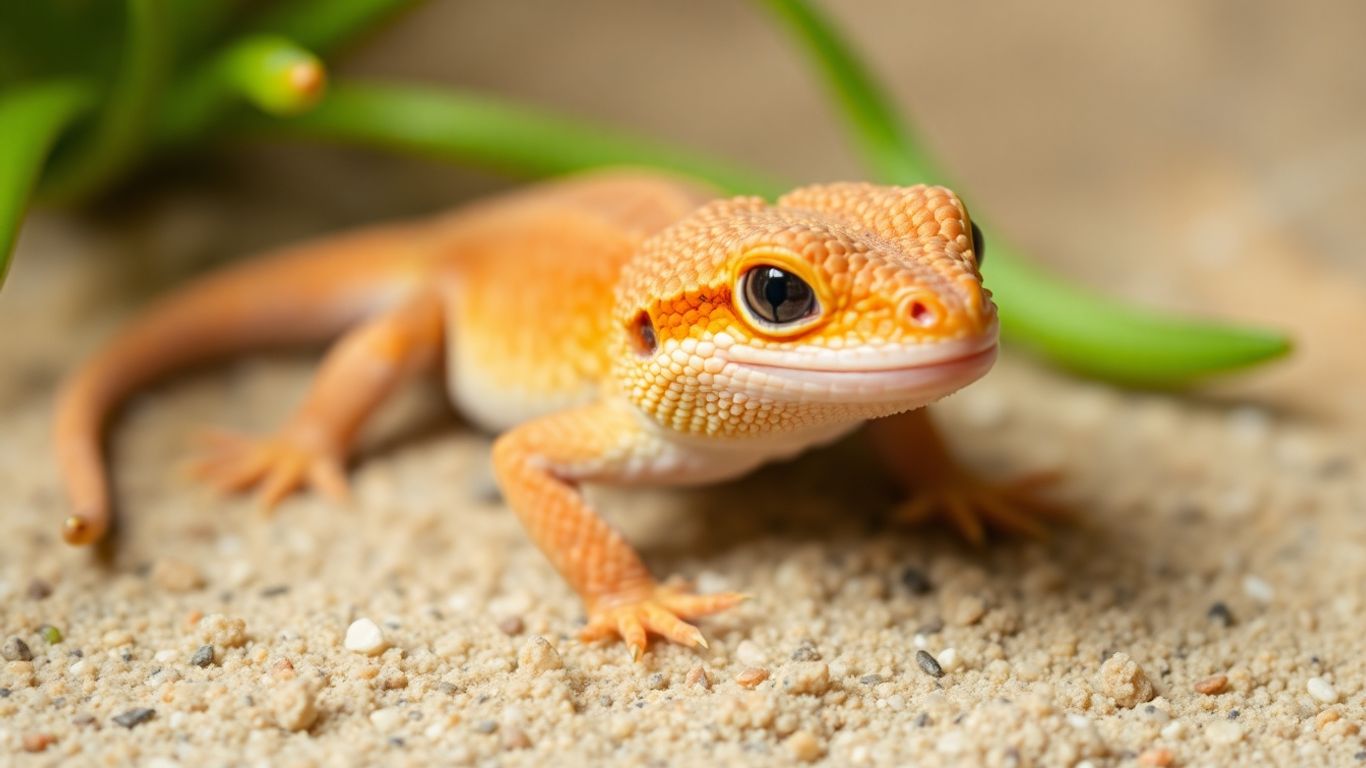
Beyond the classic reds and oranges, we also have some special morphs. Hypo (short for ‘hypomelanistic’) dragons often have reduced dark pigment, leading to brighter, cleaner colors. Citrus morphs are known for their yellow and orange tones, sometimes with a very pale base. They’re a bit different, and many people find them really striking.
Unique Color Patterns Available
Sometimes, you’ll find dragons with patterns that just don’t fit neatly into a category. These might be dragons with unusual spots, stripes, or a combination of colors that makes them stand out. Each one is a little individual, and it’s always exciting to see what unique looks pop up. We try to highlight these special babies when they become available.
When you’re choosing a baby bearded dragon, remember that the pictures you see are often of the adult animals. The babies will grow into their colors and patterns, and while we aim for consistency, there can be slight variations as they mature. It’s part of the fun of watching them grow!
Here’s a quick look at what you might find:
Red Dragons: Deep reds, maroons, and sometimes even purplish tones.
Orange Dragons: Bright oranges, tangerines, and peachy shades.
Hypo Dragons: Often have lighter eyes and reduced black spotting.
Citrus Dragons: Yellows, golds, and bright orange combinations.
Special Patterns: Unique markings, speckles, or unusual color mixes.
Support for Your Baby Bearded Dragon
Bringing a new baby bearded dragon home is super exciting, but it’s also a big step! We want to make sure you and your new scaly friend get off to the best start possible. That’s why we’re here to help you every step of the way.
Acclimating Your New Pet
When your little dragon first arrives, it’s going to be a bit stressed from the journey. Give them some space to settle in. The first few days are all about letting them explore their new home without too much fuss. Avoid handling them excessively right away. Let them get used to their surroundings, the new smells, and sounds.
Here’s a quick rundown on helping them adjust:
Quiet Environment: Keep the area around their enclosure calm and quiet for the first 24-48 hours.
Observe from a Distance: Watch them to make sure they are eating, drinking, and moving around okay, but don’t hover.
Gentle Introduction: After a couple of days, you can start short, gentle handling sessions. Pick them up calmly and hold them for a few minutes.
Consistent Routine: Try to keep feeding and light schedules consistent to help them feel secure.
Ongoing Care Advice
Once your bearded dragon is settled, the real fun begins! We’ve got plenty of tips to keep your pet healthy and happy throughout its life. This includes understanding their dietary needs, maintaining the right temperature and humidity in their habitat, and recognizing signs of a healthy, thriving dragon.
Proper diet is key for a long, healthy life. This means a good mix of insects and greens, appropriate for their age. Young dragons need more protein, while adults can have more greens. Always make sure fresh water is available.
Resources for Reptile Owners
We believe in providing you with the knowledge you need. Beyond the initial setup and care, we offer resources to help you learn more about bearded dragons. This might include information on common health concerns, breeding (if you’re interested down the line), or even fun facts about their natural behavior. We want you to feel confident in your ability to provide the best care possible.
Remember, a well-informed owner is the best owner. Don’t hesitate to reach out if you have questions, big or small. We’re part of your support system!
The Journey of a Baby Bearded Dragon
Bringing home a baby bearded dragon is just the beginning of a fascinating adventure. These little reptiles go through some pretty significant changes as they grow from tiny hatchlings into the impressive adults you see pictured. Understanding these stages helps you provide the best care and appreciate their development. Baby bearded dragon
From Hatchling to Adult
When you first get your baby bearded dragon, they’ll be small, often just a few inches long. They’re active, curious, and might be a bit shy at first. Their primary focus at this stage is eating and growing. They’ll need a diet rich in protein, like insects, to fuel their rapid development. As they get older, their appetite will shift, and they’ll start eating more greens. The transition from a tiny hatchling to a juvenile is marked by a noticeable increase in size and a more confident demeanor.
Growth and Development Stages
Bearded dragons grow in spurts. You’ll notice periods where they seem to get bigger almost overnight, followed by times of slower growth. Here’s a general idea of what to expect:
Hatchling (0-3 months): Very small, fragile, and primarily insectivores. They require frequent feeding and a carefully controlled environment.
Juvenile (3-12 months): Rapid growth phase. They become more robust and their diet starts to include more greens. They are very active and curious.
Sub-adult (12-18 months): Growth slows down considerably. They are approaching their adult size and their personalities become more defined.
Adult (18+ months): Fully grown. Their diet consists mainly of greens with insects as occasional treats. They are generally calmer and more settled.
What to Expect as They Mature
As your bearded dragon matures, you’ll see their colors often become more vibrant. Their personalities will also develop; some become very social and enjoy interacting with their owners, while others might be more reserved. You’ll also notice changes in their behavior, like basking more intensely or becoming more territorial during certain times of the year. It’s important to adjust their habitat and diet as they grow to meet their changing needs. Watching them grow is one of the most rewarding parts of owning a bearded dragon.
Ready to Find Your New Friend?
So, you’re thinking about getting a baby bearded dragon? That’s awesome! They really are neat little creatures. We’ve talked about all the different kinds you can find and how to pick the right one for you. Remember, getting a new pet is a big deal, so take your time and do your homework. When you’re ready, there are plenty of places to find a healthy, happy baby dragon just waiting to join your family. Happy hunting! Baby bearded dragon
Frequently Asked Questions
What are the different kinds of baby bearded dragons available?
You can find baby bearded dragons in many cool colors and patterns! Some popular ones include red, orange, and citrus morphs. There are also ‘hypo’ (hypomelanistic) dragons, which have fewer dark spots, and ‘leatherback’ dragons, which have a smoother back. Each type looks a bit different, so you can pick one that you really like!
What supplies do I need before I get my baby bearded dragon?
Before bringing your new friend home, you’ll need a tank (terrarium) with a secure lid. You’ll also need a heat lamp and a UVB lamp to keep them warm and healthy. A good substrate for the bottom of the tank, a food dish, a water dish, and some places to hide and climb are also super important for their new home.
How do I set up the best habitat for a baby bearded dragon?
Setting up their home is key! Make sure the tank is big enough, usually around 40 gallons to start. You need to create a warm side with the heat lamp and a cooler side. The UVB light should cover a good portion of the tank. Add some rocks or branches for climbing and a hide on both the warm and cool sides so they can choose where they want to be.
What should I feed my baby bearded dragon?
Baby bearded dragons eat a lot of protein! Their diet should be mostly insects like crickets, dubia roaches, and mealworms. Make sure the insects are small enough for them to eat. You’ll also want to offer them some greens and veggies, like collard greens or dandelion greens, chopped up. As they get older, they’ll eat more greens and fewer bugs. Baby bearded dragon
How does buying a baby bearded dragon online work?
When you buy online, sellers usually ship them right to your door using special overnight shipping to make sure they arrive safely and quickly. Many places offer a ‘live arrival guarantee,’ which means if your dragon doesn’t make it through shipping, they’ll usually send you a new one or give you your money back. Always check the seller’s policies!
How do I help my new baby bearded dragon get used to its new home?
When you first get your baby bearded dragon, give them a little space to settle in. Avoid handling them too much for the first few days. Make sure their habitat is set up perfectly with the right temperatures and lighting. Offer them food and water, and let them explore their new surroundings at their own pace. Gentle handling can start after they seem comfortable. Baby bearded dragon